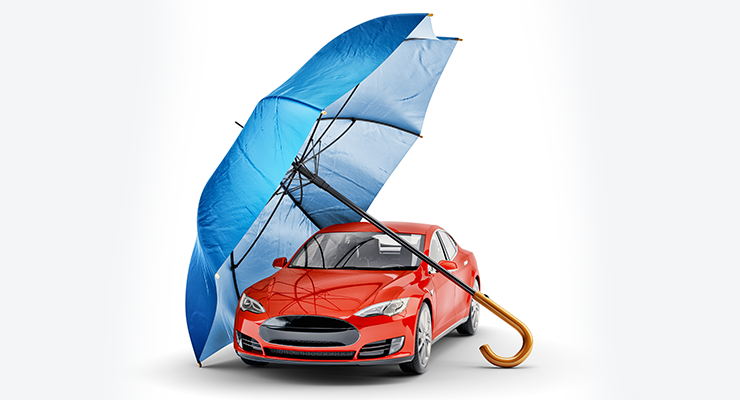
Pros and Cons of Non Owner Car Insurance
Non owner car insurance is an insurance coverage that is not tied to a particular vehicle, but is the person who buys the policy. With this type of insurance, those without a car can protect themselves against any liabilities that may arise due to accidents and other situations. Buying non owners car insurance brings both advantages and disadvantages, which should be carefully weighed out depending on your current situation.
One of the primary benefits of non owners car insurance is that it allows you to become insured even if you do not have ownership of a vehicle. It allows you to drive any car that a person does own and be assured that you are covered. This kind of insurance also provides coverage in the event of rental cars, which can be useful when travelling. It is convenient for those who do not have a car and need to borrow someone else’s temporarily.
On the flip side, a drawback that comes along with non owners car insurance is that it can be expensive. This is because it is seen as a higher risk to the insurance company since they are not sure of the driving record of those who take out the policy. Additionally, some insurance companies may require an individual to have a good driving record in order to qualify for non owners car insurance.
A further advantage of non owner car insurance is that it is a more affordable option than buying full coverage for a vehicle. This makes it a great option for those, who may not frequently use a car or need to switch vehicles frequently. Non owners car insurance does not require you to register a car, buy a license plate or get vehicle inspections, which saves the car owner time and money.
Another con is that a non owners car insurance policy will only cover damages or medical expenses in an accident if you are found at fault. This means that if you are driving someone elses car, they would have to cover those costs if they were the at-fault driver. It is important to note that this type of policy only covers the policy holder, which means that anyone else driving the vehicle will not be protected.
In addition to the pros and cons mentioned above, there are some other important facts to consider when buying non owners car insurance. For example, it is important to understand what the policy covers and to make sure that it meets your needs. Some policies provide basic coverage while others offer more comprehensive coverage. It is also important to determine your budget for the policy and shop around for the best rate.
When it comes to non owners car insurance, there are a few other aspects to consider. For instance, most policies require that the driver has a valid drivers license and is over the age of 25. There may also be restrictions as to the types of cars that one can insure with a non owners policy. Other restrictions could include a limit to the number of miles covered or the type of vehicles that can be insured with a non owners policy.
In addition, the potential insurance savings should also be considered when evaluating non owner car insurance. By understanding how much coverage one needs and what type of coverage is actually available, it is possible to find a policy that works best for ones particular needs.
Furthermore, there could be limitations on the type of driver who can qualify for a non owners car insurance policy. As such, it is important to inquire about the specifics before signing up for a policy. Lastly, many non owners car insurance policies have exclusions so it is important to review all details before signing up.
In conclusion, non owner car insurance provides benefits as well as disadvantages. It is important to understand the features, restrictions, and specified coverage of the policy before investing. It is important to shop around for the best rates and make sure to compare the overall cost of premiums against any potential savings. Furthermore, it is important to know what is and what isnt covered under the policy to avoid any complications or misunderstandings that could occur in the future.
Understanding Non Owner Auto Insurance: What You Need to Know
Non owner auto insurance is a type of insurance coverage for people who dont own a car but still need protection from liability. It is often taken out by people who rent cars, or those who borrow cars from friends or family members. Understanding non owner auto insurance is an important step in making sure you are adequately protected.
First, It is important to know who needs non owner auto insurance. If you do not have access to a personal car, dont borrow or rent cars often, or rely on public transportation or carpools to get around, non owner auto insurance would not be a good fit for you. Instead, you will want to look into other types of coverage such as renters or homeowners insurance. However, if you do plan on renting or borrowing cars often, its wise to get non owner auto insurance.
Second, you should understand what coverage non owner auto insurance provides. It typically covers liability if you damage someone elses car or property, and personal injury if a passenger in your car is injured. It does not, however, cover damage to your own car or provide physical damage protection for other vehicles. Additionally, non owner auto insurance does not provide coverage for towing, roadside assistance or rental car expenses.
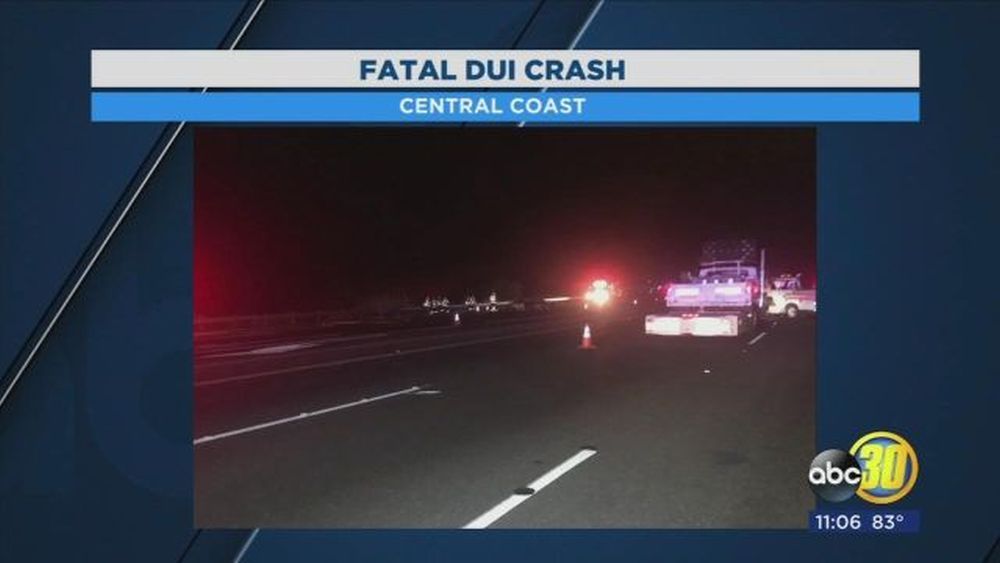
Third, it is important to know what situations non owner auto insurance cannot help you with. If you drive without valid registration or a valid license, or are charged with a DUI, non owner auto insurance will not help you. You also cannot rely on non owner auto insurance to replace a regular auto policy when you take ownership of a vehicle.
Fourth, you should be aware of who offers non owner auto insurance and what discounts you may be eligible for. Many insurance companies offer non owner auto insurance to those who qualify. You may be eligible for discounts if you are over the age of 25, have a valid drivers license, and have a clean driving record.
Fifth, you should understand how much coverage you need when getting non owner auto insurance. Consider the value of the cars you will be driving most often and look for maximum coverage limits that adequately protect you in those situations. Keep in mind that some states have minimum legal limits and you must at least have those to drive legally.
Finally, you should have realistic expectations of non owner auto insurance. It is a good option to have in certain situations, but it is not a substitute for a full coverage auto policy. It can help protect you while you are out on the road, but it will not give you peace of mind in all cases.
Moving forward, you may want to look into add-on coverage for non owner auto insurance, such as coverage for towing or rental cars. These extras are usually a small percentage of the overall cost of your policy and they can help you if you are stuck on the road and need a tow or a rental car.
Its also worthwhile to look into umbrella insurance policies that can provide extra liability protection in select cases. Many times, these policies are more affordable than the standard auto insurance, so it may be beneficial to look into them if you are concerned about your current coverage.
You should also take the time to understand the different exclusions that come with your non owner auto insurance policy. Make sure you know what is and isnt covered so you can make an informed decision about whether non owner auto insurance is right for you.
When youre ready to look into policies, be sure to compare them side by side. This will allow you to get the most coverage at the best price. Dont forget to look into potential discounts as well.
Finally, keep in mind that non owner auto insurance is not a one size fits all solution. It is appropriate for certain people and certain situations, but not everyone. Make sure you assess your needs and consult an expert before you commit to a policy.
Looking into auto insurance for non-owners can be a daunting task. It can help to break it down into manageable steps to make sure that you have the protection you need. First, be aware of who needs non-owner auto insurance, and what situations it cannot help you with. Second, understand what coverage non-owner auto insurance provides, and what discounts you may qualify for. Third, look into add-on coverage like towing or rental car coverage, as well as umbrella insurance policies. Fourth, understand the exclusions that come with your policy. Finally, when youre ready to compare policies, make sure you look into discounts as well. Taking these steps can help you make sure that you have the right level of protection when driving someone elses car.
When youre ready to make a purchase, be sure to look into the companys rating. Review customer feedback to make sure that the company is reliable and trustworthy. Its also a good idea to get at least three quotes so you can compare different coverage options.
Make sure that you are familiar with the coverage provided by each policy before signing. Have the insurance company explain each clause in the policy and be sure to ask any remaining questions. You should also read and understand the terms and conditions so that you know what is and isnt covered.
Lastly, when you make a purchase, make sure that you understand all of the costs associated with it. Many policies come with deductible amounts or other charges that may not be initially evident in the quote. Understanding your total costs will help you to decide if the policy is worth it for you.
When looking for the best non owner auto insurance, it is important to do your research. Make sure that you are familiar with the different coverage options and terms of service before you make a purchase. Be sure to compare quotes to make sure that you are getting the best coverage at the best price. Additionally, make sure you understand any fees or discounts associated with the policy and read the terms and conditions carefully to make sure you get the protection you need. Only then, can you rest easy knowing that you are adequately covered when driving someone elses car.
Properly Protecting Yourself with Non-Owner Car Insurance
Its a common misconception that non-owner car insurance isnt important. Many drivers think if they dont own a vehicle, it wont affect them. However, non-owner auto insurance coverage is important for protecting you from being financially liable for any damages or injuries resulting from a vehicle-related incident. Heres why you should consider obtaining non-owner car insurance.
One of the most important reasons to carry non-owner car insurance is that it can provide limits of liability coverage when renting or borrowing a car. If something were to happen while driving a rental car, the rental companys insurance policy would probably be the first to pay for any damages or medical bills. But what happens if their coverage isnt enough to foot the bill? Thats where non-owner car insurance can come in and be a financial lifesaver as its coverage kicks in after the primary insurance.
Furthermore, if your state of residence requires you to have car liability insurance but you dont own a car, non-owner auto insurance is there for you too, providing you the coverage your state legally requires. If this is the case, its good to remember that having a few restrictions on coverage might apply.
Did you know that non-owner car insurance also gives added protection from uncovered damages or medical costs that you might become responsible for after an accident? It can even provide coverage for uninsured and underinsured property damage acts as additional protection if the other drivers insurance policy isnt sufficient.
By having non-owner car insurance, you dont have to worry about hefty medical bills or automobile repair costs if an accident were to occur. In short, non-owner car insurance is a sound financial decision that could save you thousands of dollars in the long run.
Moreover, if you find yourself suddenly becoming an owner of a vehicle one day, you won’t have to go through the hassle of purchasing another auto insurance policy from scratch. This saves you time, and again, lots of money.
Of course, youll want to make sure youre getting the best policy and coverage you can before signing. Its important to speak to a qualified and experienced personal insurance agent who can provide the right advice, and help you find the most comprehensive coverage for your situation.
Purchasing a non-owner auto insurance policy is also something savvy drivers do to keep shopping around for car insurance when they need it. Often, non-owner policies enjoy lower rates than regular vehicle insurance plans when you purchase it, it can be used to prove insurance coverage when looking for a future regular car insurance policy.
When youre ready to shop for non-owner car insurance youll want to make sure you research at least three different quotes before making a decision. You should also ask your insurance agent about any discounts available. Car insurance companies do offer different discounts and from time to time, and youll want to make sure youre taking advantage of any savings on the table.
Last but not least, you should keep in mind that in most states non-owner car insurance policies aren’t reimbursement policies. So, the damages and medical expenses wont be paid directly to you, rather, payments are made directly to the claim facility.
Making sure youre properly covered is important. With that in mind, here are a few more key reasons why you should have non-owner car insurance to protect yourself and your loved ones:
Firstly, non-owner car insurance provides bodily injury liability protection which covers medical expenses, if someone is injured and youre the one portrayed as the liable party. It covers hospitalization, rehabilitation, and visits to the doctor along with any damages related to the accident.
Another key benefit to having non-owner car insurance is for property liability coverage. The property liability coverage will help in covering expenses if you as the driver are held liable for damage to someone elses property.
Also, if you find yourself behind the wheel for a friend or family members car and you have non-owner car insurance, you should be covered for any damage and medical bills that may accrue.
Finally, having non-owner car insurance can also help cover any legal costs associated with an accident if you are sued if the limits of the other partys insurance arent sufficient. It also provides legal assistance in defending you against a lawsuit, including lawyer fees if a court case is filed against you.
But just because youve got non-owner auto insurance doesnt mean youre absolved of responsibility. Non-owner car insurance is there strictly for your financial protection. The coverage doesnt apply in cases where youre considered to be at fault, such as operating the vehicle recklessly or driving a stolen vehicle.
Additionally, a non-owner car insurance policy wont cover damages to the car that youre responsible for. Such expenses will include things like vandalism, tolls, parking fees, rental agreement fees, and much more.
Deciding whether to opt for standard car insurance coverage or non-owner car insurance coverage requires careful thought. You’ll want to consider the pros and cons since there are both advantages and drawbacks to both.
For starters, when comparing non-owner car insurance coverage to typical car insurance coverage, one thing that may stand out to you is the cost. Non-owner car insurance can be a more cost-effective option.
It can also prove to be a better option in the case of a lapse of insurance coverage due to any reason. Getting insurance reinstated in this case may be more difficult than getting non-owner car insurance in the first place.
You also dont have to worry about hidden fees when it comes to non-owner auto insurance policy. Most policies offer an additional layer of coverage with no extra cost and no hidden fees.
Finally, non-owner car insurance also puts you in the drivers seat in terms of your ability to switch policies at any given time. Its more flexible, allowing you to renew or cancel the policy at any time.
When it comes to non-owner car insurance, there are some key advantages and features that can be attractive to any driver. Remember, being adequately insured gives you peace of mind, and that is priceless.
Are you curious to learn more about how non-owner auto insurance can help you protect yourself? Do you have questions about what type of coverage and limits would be right for you? Contact an experienced personal insurance agent to get the help you need.
Non-owner car insurance is a smart move for anyone who may find themselves behind the wheel of someone elses vehicle. Remember, when youre driving other peoples cars, youre gambling with your financial security. This insurance product can be a beneficial way to protect yourself from possible financial liabilities.
Investing in non-owner auto insurance protection can be an important step in preparing for the unexpected. Its always better to be as prepared as possible before hitting the road. With that in mind, proper protection with non-owner car insurance may be a great starting point.
Driving around with peace of mind doesn’t have to cost an arm and a leg. Non-owner car insurance allows those without a vehicle to be covered while doing a variety of things with someone else’s car, for a fraction of the cost of standard auto insurance. But is it the right coverage for you? If you dont currently own a car, but are driving one that doesnt belong to you, non-owner car insurance will cover you against bodily injury (BI) or property damage (PD) if you get into an accident. Non-owner car insurance can provide essential coverage in a variety of ways, granting you comprehensive protection when you’d otherwise have none. Not only can it protect you financially in an accident, but it may also be required if know you’ll need to rent a vehicle in the future.
When deciding whether or not to buy non-owner car insurance, you should consider what it means to not have an active auto insurance policy. Without a car insurance policy, you’re shouldering the entire financial burden, all out of pocket expenses, if you’re at fault in an accident. This includes property damage, medical bills, and any other damages that may arise. Also bear in mind that any financial responsibility laws in whatever state you’re in will still apply to you if an accident occurred and you did not have a valid policy. This could mean hefty fines and possible suspension of your license. With non-owner car insurance, you can stay covered while still keeping costs down, and in some cases may be the only car insurance a driver can buy.
Non-owner car insurance might be right for you if you’re looking for a cost-effective policy. Insurance companies often will provide a policy regardless of your situation, providing you have a valid driver’s license or temporarily use someone else’s car. Non-owner car insurance is non-standard coverage that often covers drivers better than standard auto insurance. It allows drivers the flexibility to vary premiums and coverage options to fit their needs, and although it may not offer some of the bells and whistles that you’d find on a standard car insurance policy, it does provide extra protection in the event of an accident.
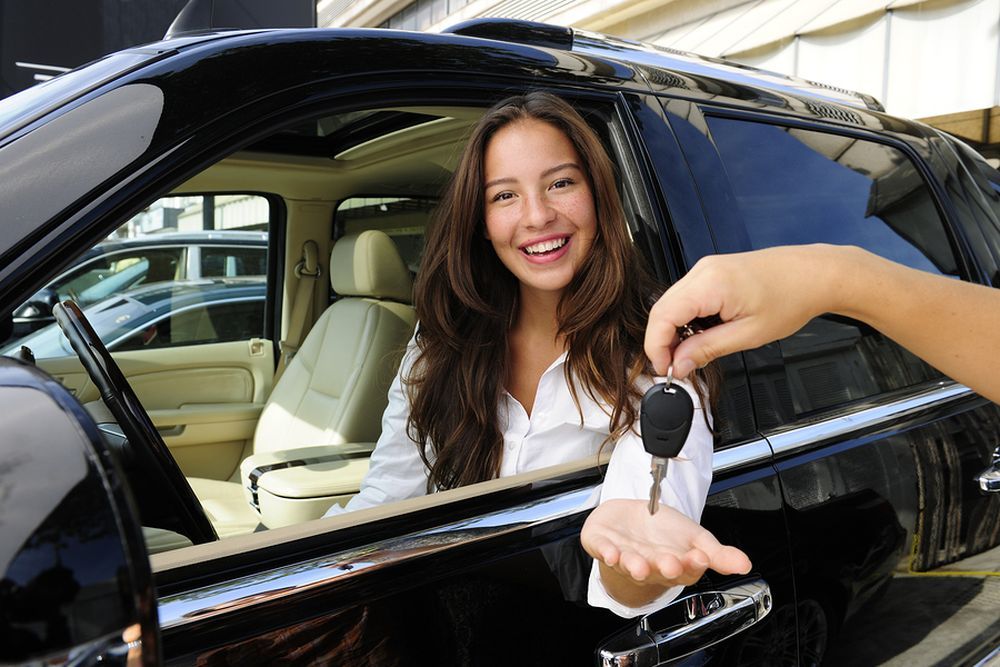
Non-owner car insurance can provide necessary safeguards if, for instance, you’re borrowing a vehicle from a friend or using one for ride-sharing services. Drivers will still be held accountable for any damages or violations they cause, but non-owner car insurance covers these expenses at a much lower cost than a typical auto policy. It’s also good to consider alternative insurance options for when you may need to rent a vehicle. Some rental companies may not even allow you to rent a car without first providing proof of active coverage from an auto insurance policy, plus many rental insurances are incredibly expensive.
You’ll also want to consider higher deductibles to further lower the cost of your non-owner car insurance, or else you might find that you don’t get much in the way of coverage for a monthly premium that’s not much different from a standard auto policy. Conversely, you can opt for a slightly higher premium and lower deductible if you’re looking for more extensive protection.
The overall cost of a non-owner car insurance policy varies depending on your past driving record and other factors, but you might find that the money you spend on the policy is well worth the extra coverage and peace of mind.
No matter which plan fits you best, make sure to shop around. Different insurers might offer the same type of coverage, but some might offer better premiums and deductibles than others. Also, remember that each state has different safety regulations, so it’s important to make sure that the policy is compliant with the laws governing your state.
Another thing to consider is the duration of the policy. Often, non-owner car insurance policies last for 6-12 months, so if you don’t think you’ll need it long-term make sure to get the shorter length policy, but don’t cut corners to save a few bucks and get caught without proof of coverage if you need it in the future.
By choosing the right non-owner car insurance policy, you can save considerable amounts of money and still be covered!
In this era of economical uncertainty, its no surprise that many drivers are choosing to trim their insurance costs. An often overlooked option among drivers without a vehicle, non-owner car insurance might be just the ticket for cutting costs while still staying insured. This policy allows policyholders the security of coverage without paying for more than they need, and it may be the only affordable option if you plan to use a different vehicle on occasion.
For many drivers, flexibility is just as important as cost savings. Non-owner car insurance covers you in many potential situations, such as when you borrow a car from a friend, when you drive for ride sharing services, or when you need to rent a car. As long as you have a valid driver’s license, non-owner car insurance is legally valid. You will also need to keep in mind that if you do cause an accident and you don’t have valid coverage, you’ll be shouldering the entire financial burden due to not having an active policy.
Like all insurance policies, no two non-owner auto policies are alike. Thats why it important to shop around, compare coverage options to make sure you are getting the most for your money. Factors such as your previous driving record, age, and the state where you live can all affect premiums.
For those looking for maximum protection, you can usually opt for a higher premium plan with a lower deductible and vice versa for those on a tighter budget. Its important to remember, however, that the cheapest policy isnt always the best. Most insurance companies require you to carry at least a minimum coverage level to be accepted, while others might offer discounts or underwrite policies for special cases. Its important to get the coverage level that best suits your needs and budget.
Don’t forget to ask about policy lengths as well. Most companies require a 6 to 12-month policy and, if you believe you won’t be using it in the long run, it might be a good idea to opt for a shorter-term policy. This way you don’t get stuck with an unnecessary long term policy you won’t use.
Before signing your name on the dotted line, it’s advisable to double check that your policy is compliant with the laws of your state. Different states have different auto insurance regulations, so make sure you have the right coverage.
If you’re looking for necessary coverage but you don’t want to break the bank, non-owner car insurance could be just what you need. Not only is it more cost- effective than standard auto insurance, but it also allows you to tailor your policy according to your needs and any discounts to suit your budget.
Finally, make sure you read and understand all the terms and conditions of the policy on offer. Take your time and be aware of exactly what kind of coverage you’re paying for and the extent of protection you’ll have in the event of an accident. Is it worth the risk? Think carefully before making your decision.
Taking Out Car Insurance: How Does It Work Online?
Taking out car insurance online is probably easier than you expect. Your car is well insured within a few minutes without the costs of intermediaries. Expert insurer even made it extra easy; you can also take out car insurance on your tablet and smartphone. Handy, right?
What information do we need?
In order to take out non owner car insurance online, you need a few details. We can only determine your premium if we are 100% sure that the car is indeed yours. Therefore, make sure you have the following information ready:
The license plate of the car
Number of claim-free years
Who drives the most
Reporting code of your car (this is stated in your registration certificate)
Together with your personal data which you undoubtedly remember by heart, you are completely ready to go through the four simple steps and you can go on the road without any worries.
Take out your Car Insurance in Four Steps
With that data, taking out non owner car insurance is a breeze. Follow the four steps, choose the coverage that suits you and insure your car in just a few minutes.
Data In step 1 we ask for the registration number of your car and some personal data. How many kilometers does the car drive per year, what is your place of residence, who drives the most and what are your claim-free years? With this information we immediately calculate the premium of your car insurance.
Choose your coverage In this step you can choose from the different coverage, with the premium that goes with it. Are you going for a WA, Limited or All-risk insurance? You can also choose additional insurance policies, such as occupant damage insurance. Not sure which non owner car insurance is right for you? Then first read more about the coverage of Car Insurance.
Additional information We are of course very happy that you have found an appropriate cover in the previous step and choose. In order to be able to conclude this happy moment, we still need your personal data, the report code of your car and the date on which the insurance must commence. This way we know for sure that the right car is insured on the right date.
Shut down and activate As a last step, we summarize all the data for you. Is something wrong with your data? Then you can easily adjust this. Are you completely satisfied? Then choose ‘take out insurance’. Click on the link and from that moment you can go on the road without any worries.
The best saving tips for your car insurance
If you have a car, you are obliged to have or take out non owner car insurance. But what are the best tips to help you save on car insurance? We have listed them for you.
Choose the right coverage
When buying a car, it is wise to take a good look at the condition of your car. Is this a new or an old car? Is it an expensive or cheaper car? These are factors that can help determine the coverage for your car. WA + Full Casco (Allrisk) is not always the best option. For example, do you have a somewhat cheaper or older car? Then it can be smart to choose a not too extensive coverage. Suppose your car is stolen, you will often not be reimbursed more than the current market value of your car. The damage-free years and how much you use your car are factors that you should look at when choosing the most suitable coverage.
Pay your premium in one go
When you take out non owner car insurance, you often get the choice to pay the premium monthly or in one go. Many people choose to pay it monthly, because it is a hefty amount if you have to pay it off at once. With the monthly payments, insurers charge extra costs, because in principle they advance the money for you all year round. You then pay a part with interest every month.
Avoid double coverage
By taking out your non owner sr-22 car insurance, you can opt for even more certainty with additional coverage. You then close this separately. But if you are not sure what you are already insured for, it may just happen that you have double coverage. This means that you are covered by different insurance policies for the same risk. For example, you are already insured for Traffic Legal Assistance in this country if you have chosen complete insurance as a package. Therefore, pay close attention to what you take out as an insurance policy.
Don’t claim the small damages
Are you dealing with damage? Then first check whether it is a major or minor damage. It is not wise to claim every damage from your insurer. If it is a minor damage, it is usually cheaper to pay for this damage yourself. If you are going to claim damage, this will have consequences for your claim-free years and your accrued no-claim discount. You will soon experience a considerable decline when claiming, so that your premium could rise and you can start over with your claim-free years.
Compare Car Insurance
Many people no longer look after other non owner car insurance options after taking out car insurance. Still, it can be smart to keep comparing car insurance policies. Your car is getting older, may have some defects, which are too expensive to repair and the premiums are changing at the same time. In addition, as a new customer with an insurer you can take advantage of additional discounts. Comparing car insurance can therefore help you to save on your premium and better matching coverage.
Discount on your Premium by Driving Safely
With the Safe Driving Car Insurance you receive extra safe driver discount on your premium if you drive well. This discount can be up to 30%. After each quarter we determine your final score and pay you the discount. You also contribute to road safety in this country.

 Non-owner car insurance can provide necessary safeguards if, for instance, you’re borrowing a vehicle from a friend or using one for ride-sharing services. Drivers will still be held accountable for any damages or violations they cause, but non-owner car insurance covers these expenses at a much lower cost than a typical auto policy. It’s also good to consider alternative insurance options for when you may need to rent a vehicle. Some rental companies may not even allow you to rent a car without first providing proof of active coverage from an auto insurance policy, plus many rental insurances are incredibly expensive.