Non-Owner Car Insurance non-owner-car-insurance Understanding Non Owner Auto Insurance: What You Need to Know

Understanding Non Owner Auto Insurance: What You Need to Know


Understanding Non Owner Auto Insurance: What You Need to Know
Non owner auto insurance is a type of insurance coverage for people who dont own a car but still need protection from liability. It is often taken out by people who rent cars, or those who borrow cars from friends or family members. Understanding non owner auto insurance is an important step in making sure you are adequately protected.

First, It is important to know who needs non owner auto insurance. If you do not have access to a personal car, dont borrow or rent cars often, or rely on public transportation or carpools to get around, non owner auto insurance would not be a good fit for you. Instead, you will want to look into other types of coverage such as renters or homeowners insurance. However, if you do plan on renting or borrowing cars often, its wise to get non owner auto insurance.

Second, you should understand what coverage non owner auto insurance provides. It typically covers liability if you damage someone elses car or property, and personal injury if a passenger in your car is injured. It does not, however, cover damage to your own car or provide physical damage protection for other vehicles. Additionally, non owner auto insurance does not provide coverage for towing, roadside assistance or rental car expenses.

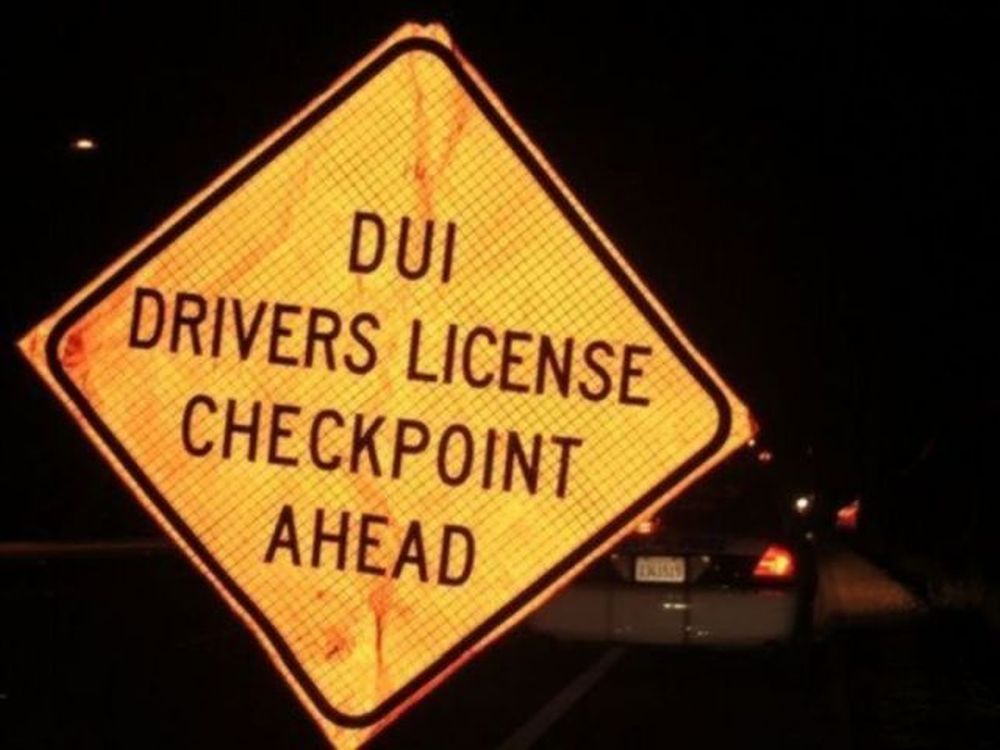
Third, it is important to know what situations non owner auto insurance cannot help you with. If you drive without valid registration or a valid license, or are charged with a DUI, non owner auto insurance will not help you. You also cannot rely on non owner auto insurance to replace a regular auto policy when you take ownership of a vehicle.

Fourth, you should be aware of who offers non owner auto insurance and what discounts you may be eligible for. Many insurance companies offer non owner auto insurance to those who qualify. You may be eligible for discounts if you are over the age of 25, have a valid drivers license, and have a clean driving record.

Fifth, you should understand how much coverage you need when getting non owner auto insurance. Consider the value of the cars you will be driving most often and look for maximum coverage limits that adequately protect you in those situations. Keep in mind that some states have minimum legal limits and you must at least have those to drive legally.

Finally, you should have realistic expectations of non owner auto insurance. It is a good option to have in certain situations, but it is not a substitute for a full coverage auto policy. It can help protect you while you are out on the road, but it will not give you peace of mind in all cases.

Moving forward, you may want to look into add-on coverage for non owner auto insurance, such as coverage for towing or rental cars. These extras are usually a small percentage of the overall cost of your policy and they can help you if you are stuck on the road and need a tow or a rental car.

Its also worthwhile to look into umbrella insurance policies that can provide extra liability protection in select cases. Many times, these policies are more affordable than the standard auto insurance, so it may be beneficial to look into them if you are concerned about your current coverage.

You should also take the time to understand the different exclusions that come with your non owner auto insurance policy. Make sure you know what is and isnt covered so you can make an informed decision about whether non owner auto insurance is right for you.

When youre ready to look into policies, be sure to compare them side by side. This will allow you to get the most coverage at the best price. Dont forget to look into potential discounts as well.

Finally, keep in mind that non owner auto insurance is not a one size fits all solution. It is appropriate for certain people and certain situations, but not everyone. Make sure you assess your needs and consult an expert before you commit to a policy.

Looking into auto insurance for non-owners can be a daunting task. It can help to break it down into manageable steps to make sure that you have the protection you need. First, be aware of who needs non-owner auto insurance, and what situations it cannot help you with. Second, understand what coverage non-owner auto insurance provides, and what discounts you may qualify for. Third, look into add-on coverage like towing or rental car coverage, as well as umbrella insurance policies. Fourth, understand the exclusions that come with your policy. Finally, when youre ready to compare policies, make sure you look into discounts as well. Taking these steps can help you make sure that you have the right level of protection when driving someone elses car.

When youre ready to make a purchase, be sure to look into the companys rating. Review customer feedback to make sure that the company is reliable and trustworthy. Its also a good idea to get at least three quotes so you can compare different coverage options.

Make sure that you are familiar with the coverage provided by each policy before signing. Have the insurance company explain each clause in the policy and be sure to ask any remaining questions. You should also read and understand the terms and conditions so that you know what is and isnt covered.

Lastly, when you make a purchase, make sure that you understand all of the costs associated with it. Many policies come with deductible amounts or other charges that may not be initially evident in the quote. Understanding your total costs will help you to decide if the policy is worth it for you.

When looking for the best non owner auto insurance, it is important to do your research. Make sure that you are familiar with the different coverage options and terms of service before you make a purchase. Be sure to compare quotes to make sure that you are getting the best coverage at the best price. Additionally, make sure you understand any fees or discounts associated with the policy and read the terms and conditions carefully to make sure you get the protection you need. Only then, can you rest easy knowing that you are adequately covered when driving someone elses car.
Related Post

Protect Your Finances With Non Owner Car InsuranceProtect Your Finances With Non Owner Car Insurance

Protect Your Finances With Non Owner Car Insurance
Non owner car insurance is one of the most important investments you can make to protect your finances. It is a great way to protect your assets in the event of an accident that involves a vehicle you don’t own, such as a rental car. Non owner car insurance offers an affordable way to stay covered and protect your assets in case of an accident.

It pays for medical payments, lost wages, and other expenses related to an accident for which you’re not directly responsible. Non owner car insurance is a great way to ensure you don’t break the bank if an accident happens while you’re driving someone else’s car whether you’re a friend, family member, or co-worker. It also allows you to provide coverage for any of your passengers if they are injured in the accident.

Non owner car insurance is generally more affordable than your regular car insurance policy because insurers recognize that you’re usually not driving on a regular basis. Most policies can provide between $300,000 and $500,000 in coverage, depending on the type of coverage you purchase. And some policies pay for damages that you may be liable for in an accident and also cover you for any legal costs you may incur if you’re taken to court because of an accident.

One of the most important parts of non owner car insurance is the liability coverage. This coverage pays for any damage or injury you cause to another person or their property. Without this coverage, you could be financially liable for an accident that wasn’t your fault. Liability coverage will also help pay for any legal costs that may occur in case of an accident. So it’s important to make sure your non owner car insurance policy covers you for liability.

Another great benefit of non owner car insurance is that it usually includes uninsured and underinsured motorist coverage. This coverage will protect you if you are injured in an accident and the at-fault driver does not carry enough insurance to cover the cost of your damages. It can also help cover some medical expenses if you or your passengers are injured in an accident and the other driver does not have enough insurance to cover the medical costs. Lastly, this coverage may also help you if you’re hit by an uninsured driver.

Non owner car insurance can also provide coverage for roadside assistance and rental vehicle reimbursement. This way, if you have a breakdown or get into a fender bender, you won’t be left stranded. It also helps save you from the expense of renting a car if your car is being repaired or replaced after an accident.

The next time you’re considering getting a rental vehicle, remember to purchase non owner car insurance. It’s the best way to protect your finances and ensure that you are always prepared for any situation.

Beyond Accidents

Non owner car insurance can do much more than protect your finances in the event of an accident. It can also provide you with peace of mind that you’re covered when you need to be. In some cases, it can help you recover from costly repairs, or get help when you need it.

For instance, non owner car insurance can provide you coverage when you’re in a hit-and-run accident or experience vandalism to your vehicle. If this happens, you won’t have to pay for costly repairs when the other driver can’t be held responsible. This could save you from a financial burden in a stressful time.

Similarly, non owner car insurance can provide you coverage for certain theft of your vehicle. This is coverage you wouldn’t typically get with a regular auto policy. For as little as an extra $10 on your insurance premium, you can add coverage for theft, protecting you from having to pay for costly repairs when the vehicle can’t be recovered.

Non owner car insurance also covers rent reimbursement and towing assistance if your car is broken down and can’t be moved. This can help you get the car towed to a mechanic and begin the repair process. If you’ll be using a rental car while repairs are completed, you can also file a claim for reimbursement of those costs. This will help you keep a handle on costs and make it easier to deal with unexpected expenses.

Finally, if you end up in a legal battle, non owner car insurance can help with legal costs as well. Whether you need help from a lawyer, need to pay for a ticket, or get sued for an accident, your non owner insurance policy could provide you with coverage for this. Plus, if you need to pay for any lawsuit damages that exceed what your regular coverage provides, your non owner car insurance can help with this.

Foundations of Coverage

Non owner car insurance can be a great solution for protecting yourself from an unexpected lawsuit. It helps you to stay covered in the event of an accident youre not directly responsible for, and provides you with a cushion in case the other driver does not have enough insurance coverage. Plus, it can cover costs like rental car reimbursement, towing assistance, and even legal costs.

But not all non owner car insurance policies are the same, so its important to check your policy carefully and understand the coverage limits and conditions. For instance, most insurance policies have a Per-Occurrence limit, which is the maximum amount your policy will cover for any single incident. Its important to make sure your non-owner coverage has a sufficient Per-Occurrence limit that meets your needs.

You should also make sure your non owner car insurance provides sufficient coverage for personal property, such as a laptop or other valuable items that may be in the car if youre an employee of a company or renting it for your own business purposes. Its also important to check that your policy covers you for any legal costs you may incur related to an incident, including judgments or settlements, court costs, and bail bonds.

Likewise, make sure that you have adequate uninsured/underinsured motorist coverage this coverage will protect you if youre in an accident and the at-fault driver does not have enough insurance. This coverage pays for any personal injuries and medical expenses for yourself and any passengers in the vehicle.

Another consideration is your rental car coverage. Does your non owner car insurance provide you with enough coverage to reimburse you for rental car fees if you need to rent a vehicle because of an accident? Make sure you understand who is covered, when, and for how long. This will give you more control over unforeseen rental car expenses.

Non owner car insurance has many advantages, but its important to read your policy carefully and make sure youre getting adequate coverage for your situation. That way, you wont be surprised if an accident occurs and youre not fully insured.

The Asset of Knowledge
One of the most important aspects of non owner car insurance is understanding when to purchase it, and when you dont need it. Non owner car insurance is designed for people who dont own a car, yet frequently rent cars or borrow cars from family or friends. Its a great solution for people who need short-term coverage but arent ready to commit to a full auto insurance policy.

However, if you own a car, you likely wont need non owner car insurance. The standard auto insurance policy you have already covers you when you drive someone elses car, depending on the type of coverage you purchased. In some cases, you may just need to temporarily adjust the coverage limits to adjust for the additional car youre driving.

That said, its important to recognize that it may not be enough coverage to protect you if an accident occurs. For instance, if you only have coverage for a single car in your policy and youre driving someone elses car, your policy may not cover any damages to their car. In this case, its a good idea to purchase non owner car insurance so you can be covered for any potential damages.

On the other hand, if you dont own a car and you drive a rental car frequently, non owner car insurance could be a worthwhile investment. With the cost of repairs and rental car fees on the rise, non owner car insurance could save you from a huge financial loss if an accident occurs.

Moreover, stay informed of the types of coverage different non owner car insurance policies can provide. Its important to select a policy that is tailored to your specific needs, such as liability coverage, uninsured/underinsured motorist coverage, and rental car reimbursement coverage.

Finally, dont forget to re-evaluate your non owner car insurance coverage on a regular basis. As your circumstances change, so should your insurance policy, so make sure to always read the fine print when purchasing or adjusting a policy. This way, you can be certain that you are fully covered in the event of an accident.

Advantages and Disadvantages

Non owner car insurance can be a great solution for protecting your finances, but it can also be complicated and expensive. Before purchasing a non owner car insurance policy, its important to understand the advantages and disadvantages.

The main advantage of non owner car insurance is that it provides coverage when you dont own a car. This can be especially beneficial if you rent cars frequently or regularly borrow cars from family or friends, as it can provide you with the protection you need while saving you from the expense of a regular auto policy.

However, non-owner car insurance policies are usually more expensive than regular auto policies. This is because the insurer assumes youre not driving a regular car, which means youre at a higher risk of getting into an accident and requiring medical care or repairs.

Furthermore, its important to consider any limits and exclusions in your non owner car insurance policy. For instance, the policy may only cover the cost of a rental vehicle for a certain length of time, or it may not provide coverage for any incidental costs associated with the accident. Depending on the type of coverage you need, these limitations could be notable and should be taken into account before you purchase a policy.

Typically, non owner car insurance policies provide coverage for liability, loss wages, medical payments, legal costs, and more. Some policies can even extend coverage to any passengers in the car, which can be helpful if you need to take essential workers to their jobs or transport your children.

All in all, its important to consider the pros and cons of non owner car insurance policies before making a decision. Think carefully about the type of coverage you need and the length of time covered, and make sure you understand any exclusions in the policy before signing up.

Pros and Cons of Going with Non Owner Car InsurancePros and Cons of Going with Non Owner Car Insurance

Pros and Cons of Going with Non Owner Car Insurance
Non owner car insurance is a policy that provides coverage in the event of an accident and other damages related to the use of an automobile. It is beneficial for those who do not own a car, or for those who rent a car for a short period of time, such as a business trip or vacation. Non owner car insurance is typically cheaper than traditional auto insurance, but it also presents risks and limitations that must be weighed before committing to a policy. Let’s take a closer look at the pros and cons of nonowner car insurance.

One pro of nonowner car insurance is the low cost. Insurance policies of this type tend to be much cheaper than a traditional policy because it does not include coverage for the car itself. This makes it ideal for people with a limited budget who need coverage for occasional or short-term use. Another benefit of nonowner car insurance is flexibility. Because it does not include coverage for a specific vehicle, it can be used for any car you operate, be it a rental car or a friend’s car. This also gives you the freedom to shop around and compare coverage and cost until you get a policy that is tailored to your needs.

On the other hand, there are some cons to nonowner car insurance that must be considered. For example, this type of policy typically does not cover liability. This means that if you cause an accident, the other party can sue you for damages. Additionally, it does not offer coverage for rental cars, so if you are renting a car for a short-term period, you won’t be covered by nonowner car insurance. Finally, nonowner car insurance does not provide coverage for damage to the car you are operating; this type of coverage is only available with a traditional car insurance policy.

When deciding if nonowner car insurance is the best choice for you, there are several key factors to keep in mind. Firstly, it is important to consider the type of coverage you need and your budget. If you only need coverage for occasional or short-term use, a nonowner policy will likely be cheaper. However, if you are a regular car user, a traditional policy will likely be the better option. Secondly, you must evaluate the potential risks associated with nonowner car insurance, such as the lack of liability coverage. Finally, you should take into account any restrictions imposed by your state. Some states only allow nonowner policies to be purchased for a specific period of time, so make sure you check the regulations before committing to a policy.

In addition to the pros and cons of nonowner car insurance, there are several other topics for consideration. Let’s look at the possible scenarios when it may be beneficial to invest in a nonowner policy. Firstly, if you do not own a car and need insurance for occasional or short-term use, this type of coverage can be cheaper than a traditional policy. Secondly, if you are a student or have recently moved to a new city, this policy can provide coverage when renting or borrowing a car in the interim. Finally, if you frequently use ridesharing services like Lyft or Uber, nonowner car insurance may be worth considering as it can provide protection when operating a vehicle in the service of those companies.

Now let’s explore some of the potential risks associated with nonowner car insurance policies. Firstly, this coverage does not provide liability protection if you get in an accident or cause damages to someone else’s property. Secondly, the coverage does not extend to rental cars, so if you’re traveling and need to rent a car, you may need to purchase a traditional policy or purchase additional coverage from the rental car company. Finally, although nonowner car insurance is flexible in that it can be used for any car you operate, any damage you cause will not be covered.

In conclusion, it is essential to understand the pros and cons of nonowner car insurance before investing in a policy. The main advantage is its low cost, and the flexibility it provides for people who occasionally use a car or are in transition between vehicles. However, risks and limitations should also be taken into consideration, such as the lack of liability coverage, and the fact that it does not extend to rental cars. Therefore, it is important to assess your needs, budget and local regulations before committing to this type of policy.

Protecting Your Car and Your Future with Insurance for YoungProtecting Your Car and Your Future with Insurance for Young

Protecting Your Car and Your Future with Insurance for Young Drivers
For young drivers, protecting your car and your future with the right insurance can be a challenge. Taking on the right carrier and understanding all of the different policies, coverages and premiums can be overwhelming. But if you want to protect your car and your future, you must get the right insurance coverage for your needs.

First and foremost, shop around. Different companies will offer various levels of coverage and premiums, so take the time to find the one that meets your needs. Speak with your friends and family who have experience with buying car insurance, or connect with a knowledgeable agent or broker who can help guide you through the process. The most important takeaway is to find the best combination of coverage, price and service that works for you.

Next, know what types of coverages are available. Make sure to understand what each coverage does, as well as what it does not cover. There is typically the required minimum coverage defined by your state, but there are often optional coverages that can be added for additional protection. Do your research and learn what makes the most sense for your situation.

Similarly, pay attention to deductible levels and premiums. Be sure to read through the particulars of a policy before signing on the dotted line. There may be discounts or savings for younger drivers that you may not be aware of. Additionally, consider the possibility of bundling your insurance policy with another type of coverage, such as your home or life insurance, to save some money.

Finally, remember to review your policy annually and communicate with your insurer or broker about any changes. They can help you to better understand the risk of factors like your age, the type of vehicle youre driving, and new laws, regulations, and limitations you should be aware of. As your needs change, so does your situation so make sure to revisit your policy and assess the level of protection you now need.

In addition, consider diversifying coverage types. One way to protect your future is to be prepared in case of an accident. Adding uninsured and underinsured motorist coverage to your insurance policy will help protect you in case an accident occurs and the other driver is either uninsured or underinsured. You should also consider adding personal injury protection, or PIP, to your policy, as this coverage type can be of great benefit in the event of an accident.

No matter what coverage you decide to carry, always remember to be a safe and responsible driver. Drive defensively and within the boundaries of the law at all times. You can always increase your deductibles or cut back on some of your coverages, but when it comes to maintaining a clean and safe record, theres no substitute for safe driving habits.

It is best to plan ahead when it comes to protecting your car and your future with the right insurance coverage. Talk with an insurance broker or agent to learn the best way to get the best coverage at the best price. Ask questions and do your due diligence to ensure you are fully informed and understand what you are agreeing to. Nothing less than your future is at stake.

Also, look for features like roadside assistance and accident forgiveness. These types of features can help offset the costs and make it easier if you ever find yourself needing to make a claim. Additionally, most carriers offer discounts for having a clean driving record, being a good student, or being a part of certain associations. The more you look around for these types of perks, the more you can save.

Dont forget to review the law in your area to make sure you are fully compliant with all requirements. While it may seem cumbersome to do, it can help you to make sure you are protected in case of an accident. In addition, keeping a record of any emergency roadside and medical service documentation as well as any steps you took to ensure your safety during an incident can help when filing a claim.

Furthermore, consider speaking with an attorney if you ever find yourself in a legal situation. Lawyers can help you understand the laws related to car insurance, and how they may impact you or your situation. They are an excellent resource and can provide helpful advice to make sure you are fully protected.

Another important thing to consider when it comes to protecting your car and your future with the right insurance coverage is to keep your vehicle in a good working condition. Maximize your investment by following a regular maintenance schedule that includes oil changes, tire checkups, and fluid levels. Also, investing in a GPS monitoring system can help you keep track of your vehicle from a distance, and stay informed of its location at all times.

Finally, if you have a loan, make sure to keep your payments up-to-date. Your lender will often require you to keep your car insured to help protect their investment. Not only that, but keeping your payments current will keep your credit strong; which in turn can help you to get better deals on insurance.

For young drivers, understanding how to protect your car and your future with the right insurance coverage is essential. Always shop around, ask questions, and do your due diligence to make sure you are getting the most comprehensive coverage for your situation. Most importantly, as a driver, stay safe and informed.